 Autumn getaways in the Pyrenees
 Living traditions
 Hydrotherapy
 The must-see sites
 Gourmet and local know-how
 The Couserans through the seasons
 The Blog… inspirations throughout the seasons
 Holiday ideas
 Our CSR approach
 Hiking in the Couserans
 Current hikes
 Thrills & Spills
 Sports activities
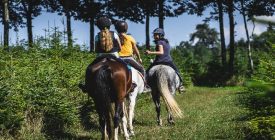 Equestrian activities
 Guzet station
 Trail running in Couserans
 Cycling and mountain biking
 Where to stay?
 Where to eat?
 GOING OUT IN TROUVILLE-SUR-MER
 What to do there?
 Tell us about your visit to Ariège
 Tickets
 Local markets
 The events calendar
 Major events
 The local Anims
 Sport events
 Art & Culture
 Add your event
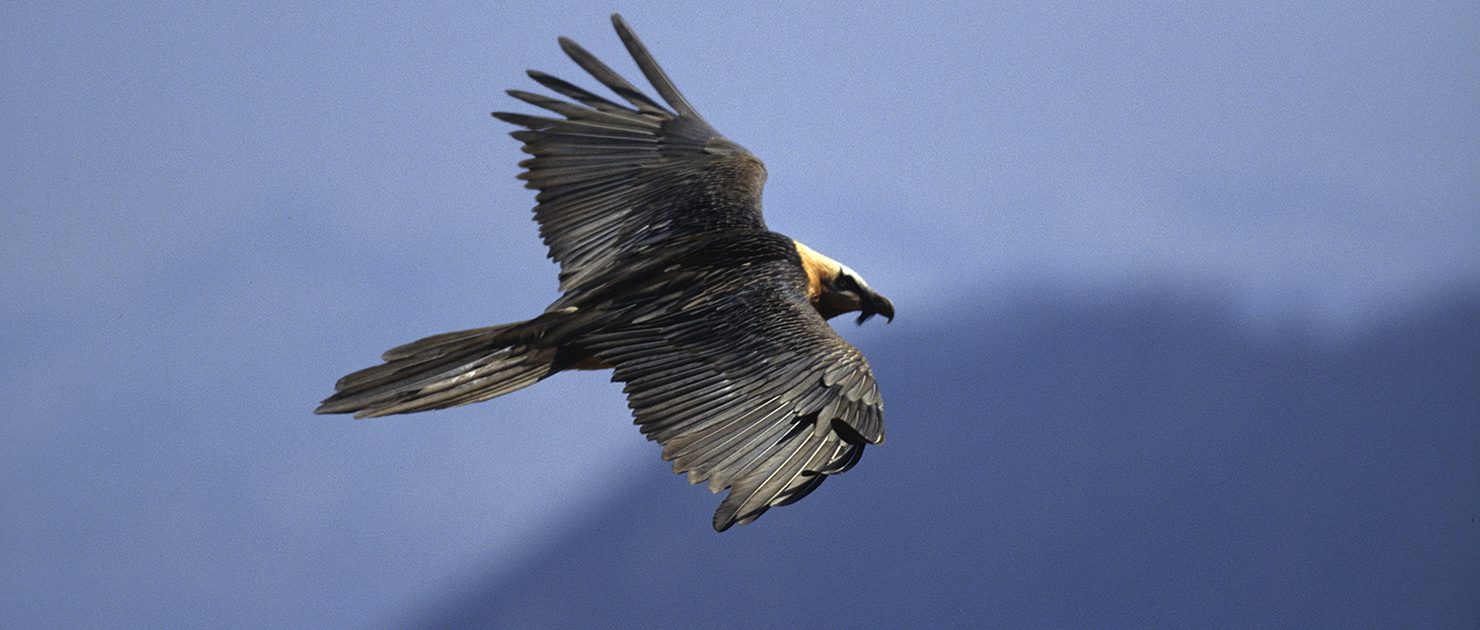
During your hikes in the Couserans, you may encounter many animals. From the most common to the rarest, from the most visible to the most shy, stay attentive and discreet for the chance to encounter them.
In the valley bottom, there are many small passerines active in the thickets, woodlands and meadows. You can easily observe the Great and blue tits, the robin or Cute Wren.
In the middle of rivers and streams, it is the Dipper which is easily observed.
![]()
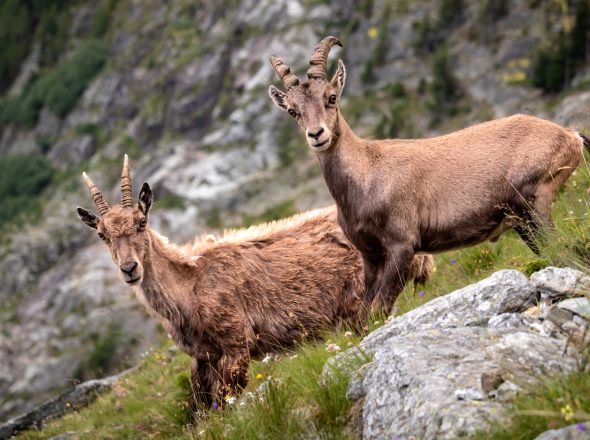
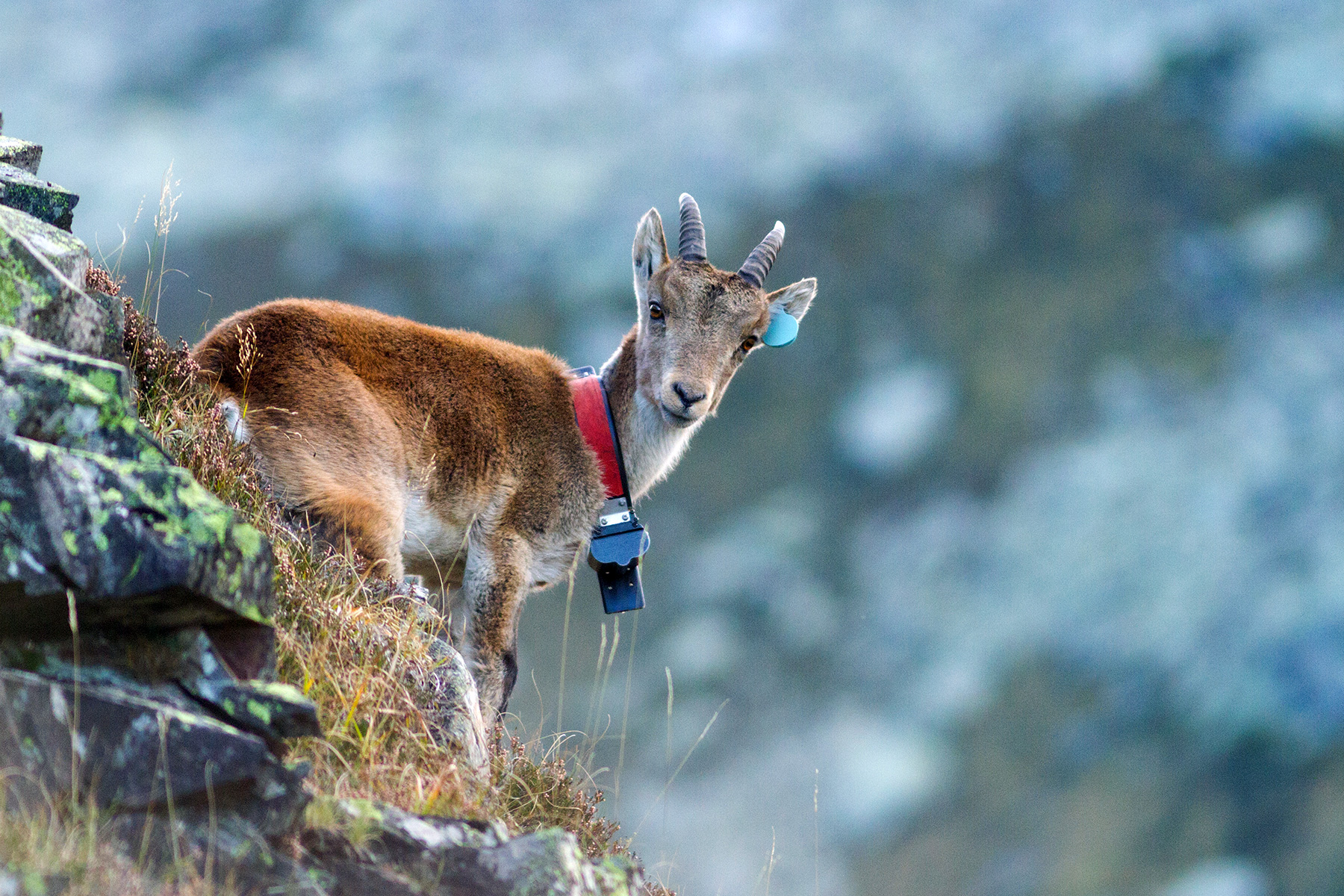
Ibex ![]()
Great spotted woodpecker
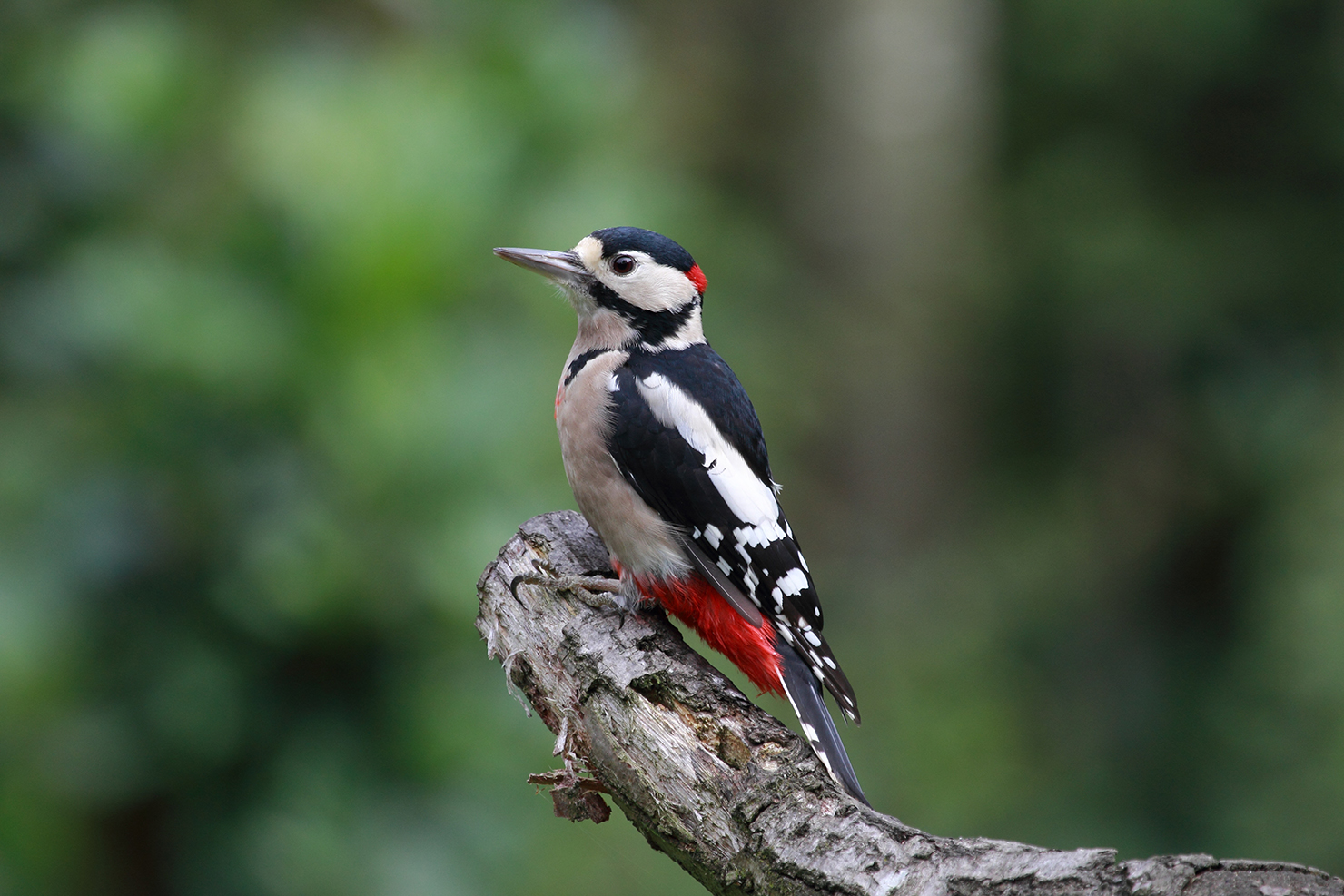
In the Couserans region, hikes often begin with a walk in the forest . It is a refuge for many species and it is common to see Great Spotted Woodpeckers , the imposing Black Woodpecker , and the discreet Tengmalm's Owl.
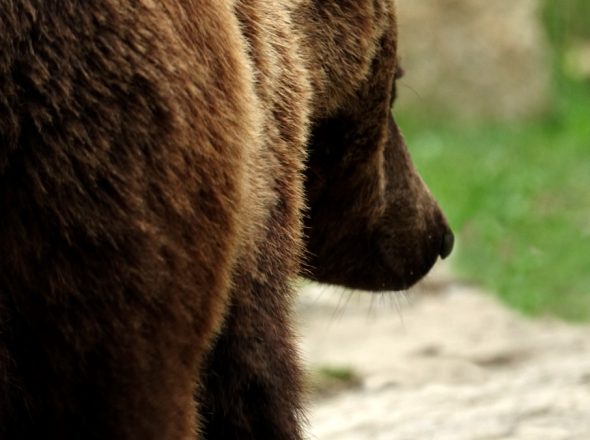
In soft, muddy areas, mammals such as deer, foxes, wild boar , and wildcats leave their tracks during their nocturnal forays. The forest is also a refuge for bears , and their tracks may mingle with others.
![]()
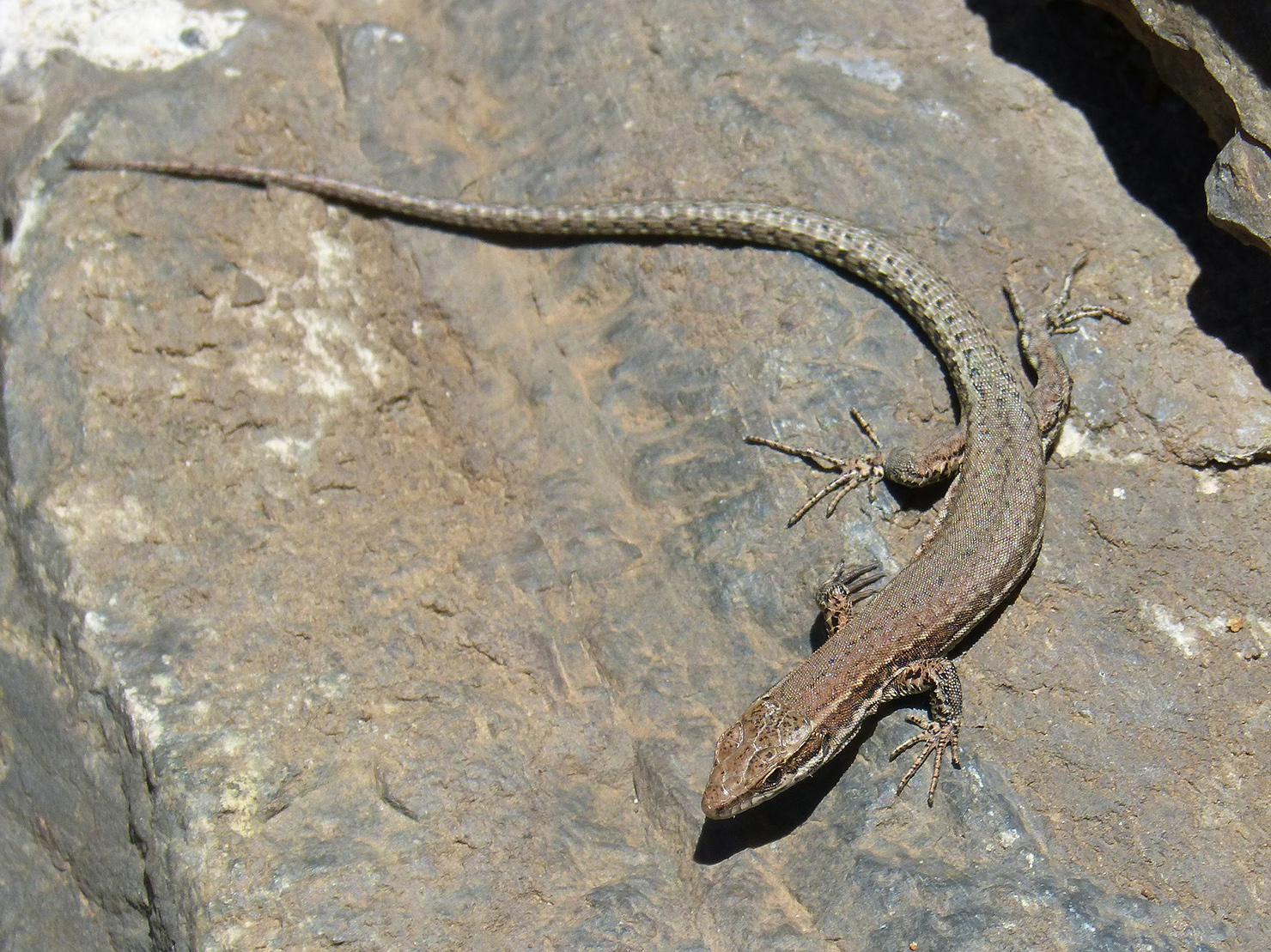
Pyrenean Lizard ![]()
Bearded Vulture
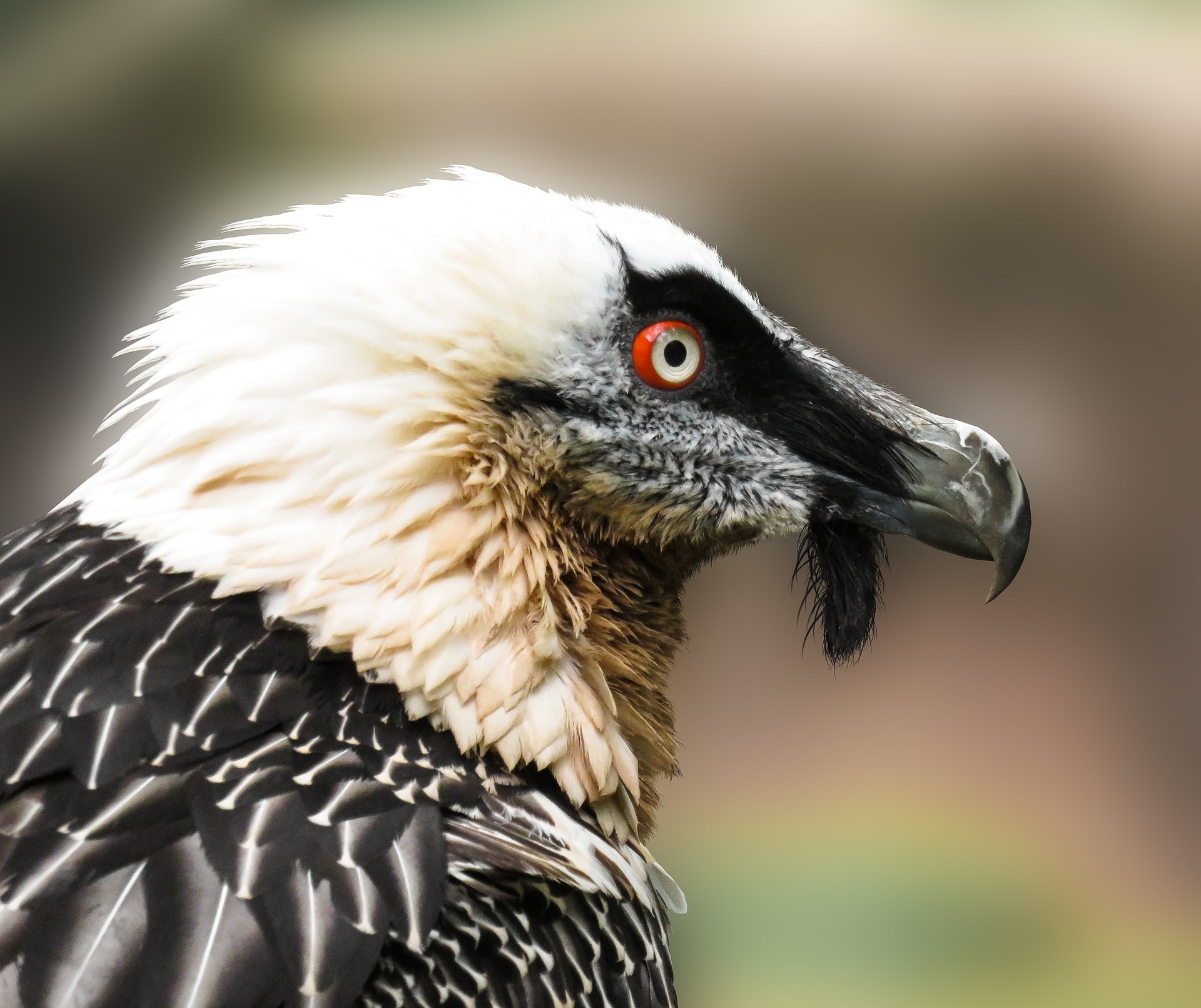
You then reach the summer pastures. Early in the morning you might encounter the athletic chamois that seek refuge in the steep areas. As the heat and thermal currents develop, large birds of prey— golden eagles, bearded vultures, and griffon vultures— come to fly overhead.
Higher up, where rock and scree dominate, you can see the beautiful stoat, the rock ptarmigan (in rock-colored summer plumage), the Pyrenean lizard , etc.
Have a good hike and keep your eyes open!
Jordi Estèbe, naturalist
What is this bird of prey?
In the mountains, you might be lucky enough to spot a bird of prey soaring near you... The Association of Naturalists of Ariège (ANA) helps you identify it with the visual of the silhouettes below.
Quick, get out your binoculars or your camera and post your best photos on social media using our hashtag: #couseranspyrenees!
The ANA also offers nature outings.